
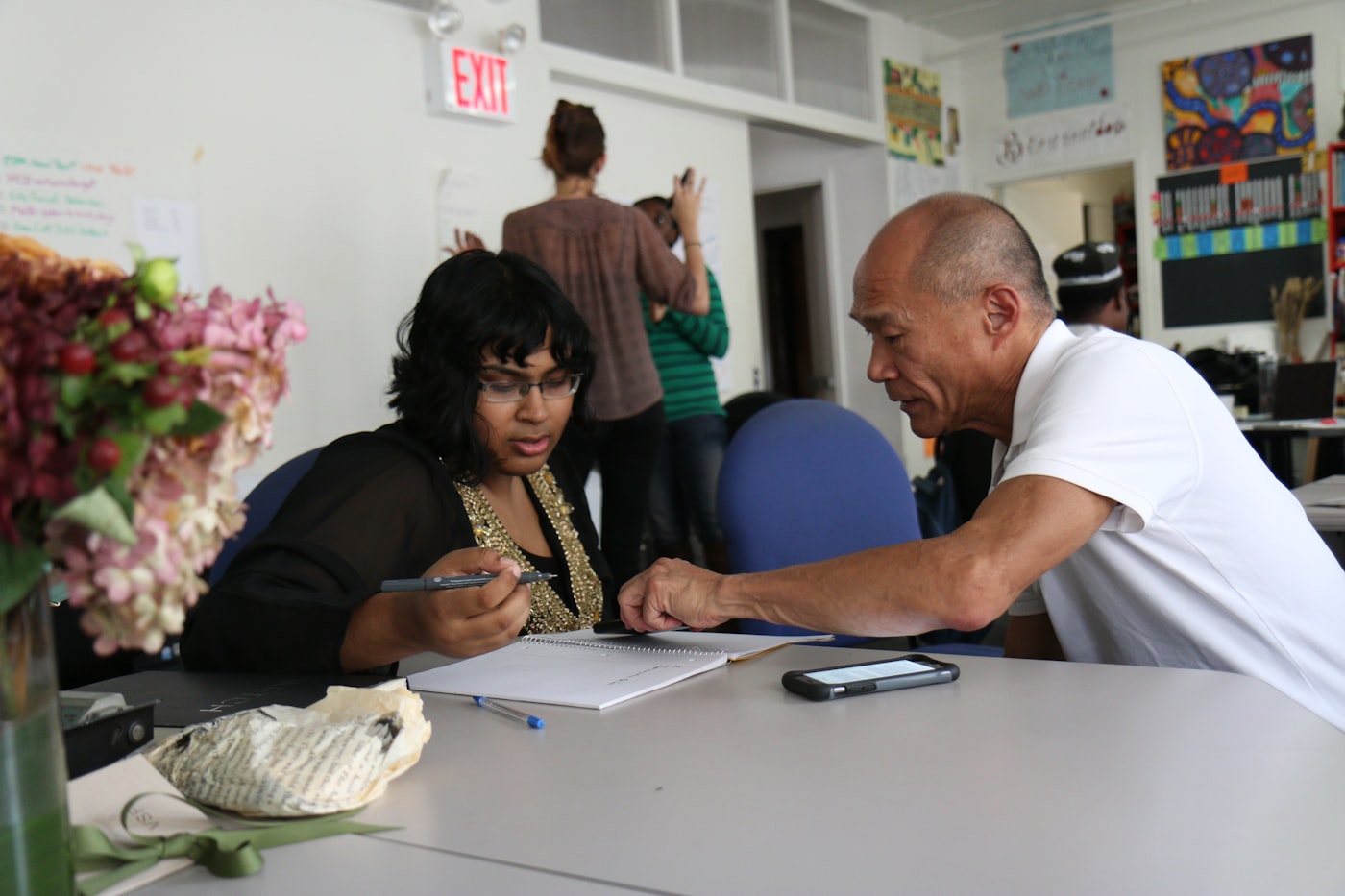
You have forty years of hard-won judgment sitting in your head. And most days, nobody asks for it.
That silence is louder than it sounds. For decades, your experience had a place to go, a team that needed it, a client who paid for it, a problem that only you could untangle. Then the job ended, and the experience stayed exactly where it was. Just… unused.
Here’s what the research says about that: adults who volunteer regularly report significantly lower rates of depression and a lower mortality risk than those who don’t, according to research compiled by the Corporation for National and Community Service. Not because volunteering is pleasant, though it often is, but because being needed does something to the human nervous system that leisure alone cannot replicate.
This article is about the third pillar of the Reinvent After 60 framework: Contribution, the decision to actively give back what you’ve spent a lifetime accumulating, instead of letting it sit unused. We’ll cover why contribution matters more than most people realize, the four shapes it typically takes, how to find the one that fits your actual life, and the mistakes that cause well-meaning adults to burn out or give up.
By Sarah Macknaw, Lead Editorial Voice — Viva Horizon
Why “being useful” isn’t optional, it’s protective
Retirement culture sells rest as the reward. And rest matters. But an uncomfortable truth sits underneath decades of aging research: humans who feel useful to others tend to live longer, healthier, more cognitively intact lives than those who don’t, regardless of how relaxing their days are.
Encore.org, the leading organization tracking purpose-driven work after 50, has documented tens of thousands of “encore careers”, second acts built specifically around giving back accumulated skills. Their research consistently finds that adults in encore roles report higher life satisfaction than either full retirees or adults who stayed in unrelated paid work purely for income.
AARP’s research on volunteering after 50 found something similar: adults who volunteer at least 100 hours a year, roughly two hours a week, show measurably better self-reported health and lower rates of loneliness than non-volunteers of the same age and health status.
The mechanism isn’t mysterious. Contribution restores something retirement quietly removes: the daily, structural experience of mattering to someone outside your own household. A job did that automatically, whether or not you loved it. After the job ends, mattering has to be built on purpose.
The four shapes contribution actually takes
Most people hear “give back” and picture one thing: formal volunteering, usually with a nonprofit, usually involving a folding table. That’s one version, but it’s the narrowest one, and treating it as the only option is why so many adults quietly opt out of contribution altogether.
In practice, contribution after 60 tends to take four distinct shapes.
None of these four is superior to the others. The research is consistent on one point: the specific form of contribution matters far less than whether it uses a skill you actually have and fits the energy you actually have to give. A mismatch between the two is the single most common reason contribution efforts fail.
Finding your shape: 5 questions
Before choosing a specific opportunity, answer these honestly. Write the answers down, vague intentions rarely survive first contact with a real commitment.
Common mistakes that undermine contribution
saying yes to everything at first
Newly retired adults are often flooded with requests, from family, former colleagues, community organizations that have heard “you have more free time now.” Saying yes to all of it feels generous. It usually ends in burnout within six months, followed by a full retreat from contribution altogether. Pick one shape, one commitment, and prove to yourself it’s sustainable before adding a second.
confusing contribution with rescue
Some adults approach retirement contribution as a way to fix a struggling family member or take over a failing project. Contribution that’s driven by anxiety about someone else’s problems tends to become resentful fast. The sustainable version is offered, not forced, and has clear edges around what you will and won’t take on.
assuming your skills have expired
“Nobody wants what I know anymore” is one of the most common, and most inaccurate, things adults tell themselves after leaving a career. Judgment, pattern recognition, and hard-earned perspective don’t expire. The delivery format sometimes needs updating; the substance rarely does.
Your first 30 days
Week 1. Inventory. Write down everything you know how to do that took you more than a year to learn. Include soft skills: managing conflict, staying calm under pressure, reading a room. This list is almost always longer than people expect.
Week 2. Ask, don’t assume. Tell three people in your existing network, a former colleague, a neighbor, someone at your place of worship or community center, that you’re looking for one small way to contribute your experience. Let them make suggestions. Opportunities you’d never find alone often surface this way.
Week 3. Commit to one thing, small. Not a role. A single instance: one mentoring conversation, one volunteer shift, one class taught, one piece written. Treat it as a trial, not a life sentence.
Week 4. Decide whether to repeat it. If it energized you more than it drained you, schedule it again, and only then start thinking about whether it should become a recurring commitment.
Frequently asked questions
What if I don’t have a skill I think anyone wants?
This almost never turns out to be true on examination. Judgment built over decades of work, parenting, or simply navigating life is valuable even when it doesn’t look like a “skill” on paper. Start with the inventory exercise above before concluding you have nothing to offer.
Is paid encore work still “contribution,” or does it have to be free?
It counts. Encore.org’s research specifically includes paid encore careers as legitimate contribution, the defining feature is that the work is chosen for its meaning and use of accumulated experience, not that it’s unpaid.
How much time should contribution actually take?
AARP’s research found measurable wellbeing benefits at roughly two hours a week. More isn’t automatically better, the mistake most people make is starting too big, not too small.
What if my health limits what I can physically do?
Mentoring, teaching, and creating all scale to almost any physical capacity, many of the most valuable contributions are conversational or written, not physical. Physical volunteering is one shape among four, not a requirement.
The bottom line
Contribution after retirement is the deliberate decision to put decades of accumulated experience back into circulation, through mentoring, volunteering, teaching, or creating, rather than letting it sit unused. Research from Encore.org, AARP, and the Corporation for National and Community Service consistently links active contribution to lower rates of depression, reduced mortality risk, and higher life satisfaction in adults over 60. The specific form matters less than the fit: contribution that uses a real skill, respects your actual energy, and doesn’t depend on being thanked for it is the version that lasts.
Your experience didn’t expire when the job ended. It’s just waiting for somewhere to go.
Ready to start?
If you’re ready to go deeper, The Reinvent After 60 Playbook is the full system: 117 pages, 8 worksheets, a 12-week action plan, and six real-world stories of late bloomers who rebuilt their lives after 60. $47, instant download, 30-day guarantee.
Your next horizon is wider than you think.
Last updated: August 2026